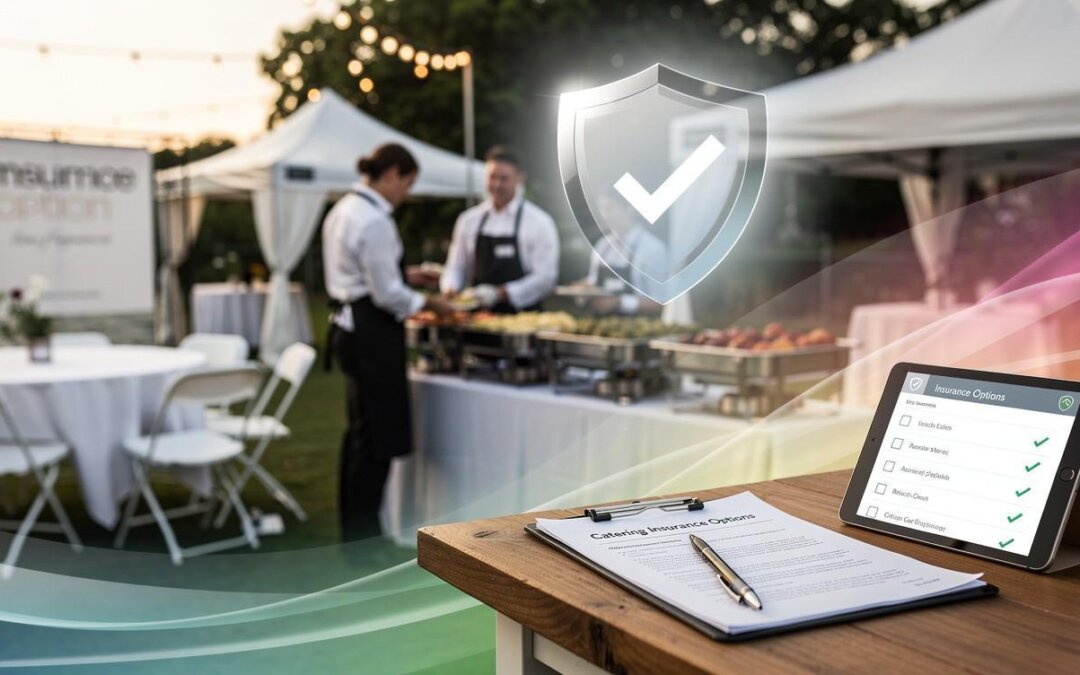
Catering businesses operate in a high-risk environment where one mistake can lead to serious liability. Standard business insurance policies leave dangerous gaps that don’t cover food-specific hazards, off-site event locations, or transport-related incidents.
At Shurr Insurance, we’ve seen catering companies face unexpected claims that their basic coverage didn’t protect against. The right catering insurance options can mean the difference between a minor setback and a business-threatening lawsuit.
Why Standard Business Insurance Fails Catering Operations
The Coverage Gaps That Leave You Exposed
Standard business insurance policies are written for brick-and-mortar operations with fixed locations and controlled environments. The moment you pack equipment into a van and operate at client venues, those policies develop serious blind spots. Most general liability policies exclude food-related claims entirely, which means foodborne illness lawsuits fall outside your coverage. Personal auto policies explicitly prohibit business use, so if your catering vehicle gets into an accident during a delivery, your insurer can deny the claim outright. Catering owners often discover these gaps only after a claim gets rejected. Standard policies also ignore equipment breakdown during transport, theft at unfamiliar venues, and liability exposure at locations you don’t own or control. You need coverage specifically designed for the realities of offsite dining.
Why Food and Transport Create the Biggest Financial Threats
Foodborne illness claims can easily exceed $100,000 when they involve multiple guests and hospitalization, and standard liability policies won’t cover product liability losses. Equipment damage during setup or transport happens frequently, especially when moving commercial-grade refrigerators, grills, and generators between venues. A single slip-and-fall accident at a wedding or corporate event can result in a guest claiming $50,000 or more in medical costs and damages. Allergic reaction claims are rising as guests become more aware of their sensitivities, and failure to disclose ingredients properly opens you to significant liability. Your catering vehicles face unique risks too, since they carry valuable equipment and perishable inventory across multiple locations daily.
Why Commercial Auto Insurance Matters for Your Fleet
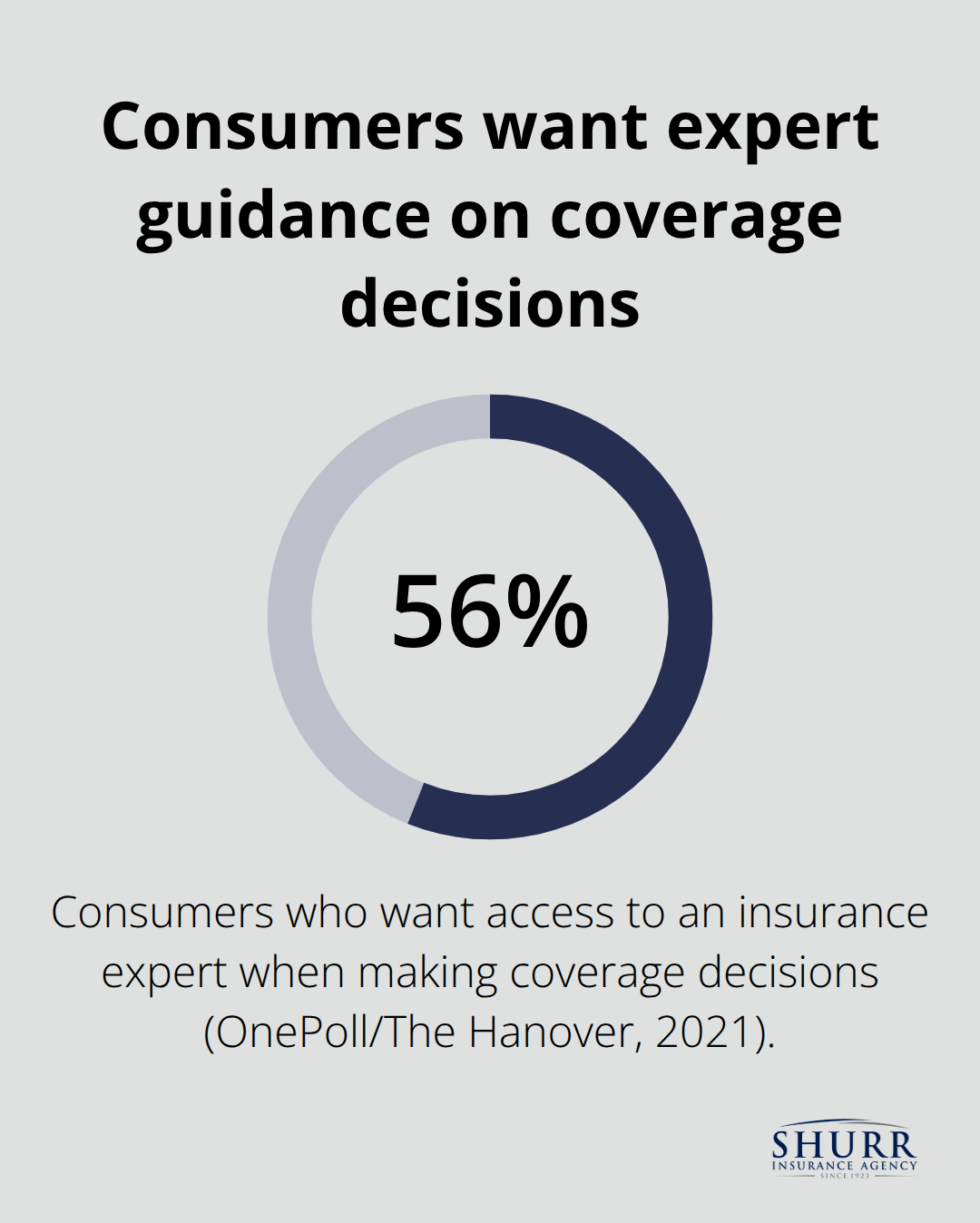
Commercial auto insurance is not optional for catering fleets, yet many caterers operate without it because they assume their personal policies cover business use. A 2021 study by OnePoll and The Hanover found that 56% of consumers want access to an insurance expert when making coverage decisions, and this principle applies equally to business owners selecting vehicle coverage. An independent agent specializing in food service can identify these specific exposures and build a policy that actually protects your operation.
The right agent helps you understand which coverages address transport risks, equipment protection, and liability at multiple event locations throughout your service area.
Essential Coverage Types for Catering Operations
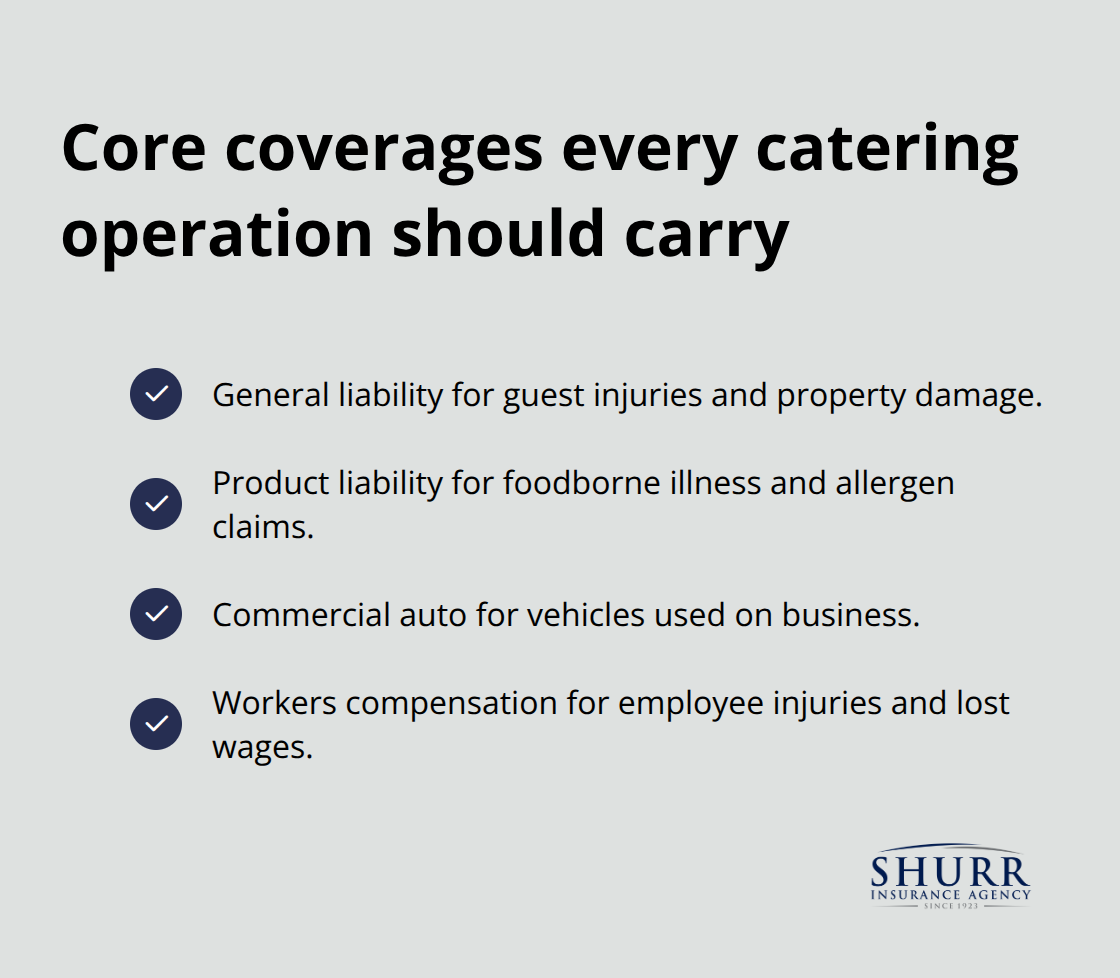
General Liability: Your First Line of Defense
General liability insurance protects your business when a guest suffers injury at an event or their property sustains damage, covering medical expenses, legal defense costs, and settlements up to your policy limits. Venues and clients almost always require proof of this coverage before booking your services, making it non-negotiable for any catering operation. However, standard general liability policies often exclude food-related claims, which creates a dangerous gap in your protection.
Product Liability: Protecting Against Food-Safety Claims
Product liability insurance covers foodborne illness claims, allergic reactions from ingredient contamination, and other food-safety incidents. This coverage exists separately from general liability because standard policies treat food differently than other products. An independent agent who understands catering operations will match your product liability limits to your event volume and guest counts, since a wedding with 200 attendees carries higher food-safety exposure than a corporate lunch for 30 people.
Commercial Auto: Required Protection for Your Fleet
Commercial auto insurance is legally required in most states for any vehicle used for business purposes, yet many caterers operate without it because they assume their personal auto policy covers delivery runs. Personal policies explicitly exclude business use, meaning your insurer will deny claims if an accident occurs while transporting equipment or food to an event. Commercial auto covers vehicle damage, medical expenses for injuries, and liability for third-party damage when your catering van or truck gets into an accident during transport.
Workers Compensation: Mandatory Employee Protection
Workers compensation insurance covers your employees’ medical bills and lost wages if they suffer injury during event setup, food preparation, or travel between venues, and most states mandate this coverage regardless of how many staff members you employ. This protection also shields you from employee lawsuits, which matters significantly since kitchen burns, slip-and-fall injuries during setup, and vehicle accidents happen frequently in catering operations. An independent agent will verify your state’s specific requirements and help you meet them without overpaying for unnecessary coverage.
Building Your Comprehensive Policy
Combining these four core coverages with appropriate limits based on your actual business size protects you far better than settling for minimum thresholds that leave you exposed when a serious claim arrives. The next step involves understanding which claims happen most often in catering operations and how proper practices prevent them from becoming expensive losses.
Common Catering Claims and Prevention Strategies
Foodborne Illness: The Costliest Risk
Foodborne illness remains the costliest claim type for catering operations, with a single incident involving multiple guests potentially exceeding $100,000 in medical costs, legal fees, and settlements. Proper food handling practices prevent most of these claims, yet many caterers skip critical steps like maintaining separate cutting boards for raw and cooked foods, verifying refrigerator temperatures stay below 41°F, and washing hands between tasks. An independent agent who understands food service operations will push you toward product liability limits that match your typical event size, since a wedding with 300 guests demands higher protection than a corporate lunch for 20 people.
Slip-and-Fall Accidents at Event Venues
Slip-and-fall accidents at event venues rank second in claim frequency because you operate in unfamiliar spaces where you cannot control flooring conditions, lighting, or guest traffic patterns. Wet kitchen areas, uneven outdoor terrain, and crowded indoor venues create hazards that general liability insurance must cover. You should train staff to identify and report hazardous conditions immediately, and place warning signs in wet areas during setup and service. Proper footwear and non-slip mats in your work zones reduce accident risk substantially.
Equipment Damage During Transport and Setup
Equipment damage during transport and setup happens constantly when you move commercial-grade refrigerators, generators, and specialized cooking gear between locations, especially when loading and unloading onto uneven driveways or outdoor surfaces. Many caterers underestimate this exposure and carry insufficient property coverage limits, leaving them vulnerable when a generator fails mid-event or a refrigerator sustains damage that costs $5,000 to repair. Equipment breakdown coverage protects against unexpected failures that could force you to cancel or reschedule events, and this coverage costs far less than absorbing a replacement expense out of pocket.
Allergic Reactions and Ingredient Disclosure
Allergic reaction claims are rising as guests become more aware of food sensitivities, and failure to disclose ingredients properly opens you to significant liability that product liability insurance must address. Some catering operations maintain ingredient lists and allergen protocols, but others handle this casually, creating unnecessary legal exposure when a guest suffers a reaction. You should label all dishes with common allergens like nuts and shellfish, train staff to answer ingredient questions accurately, and keep detailed records of every dish’s components.
Prevention Through Documentation and Training
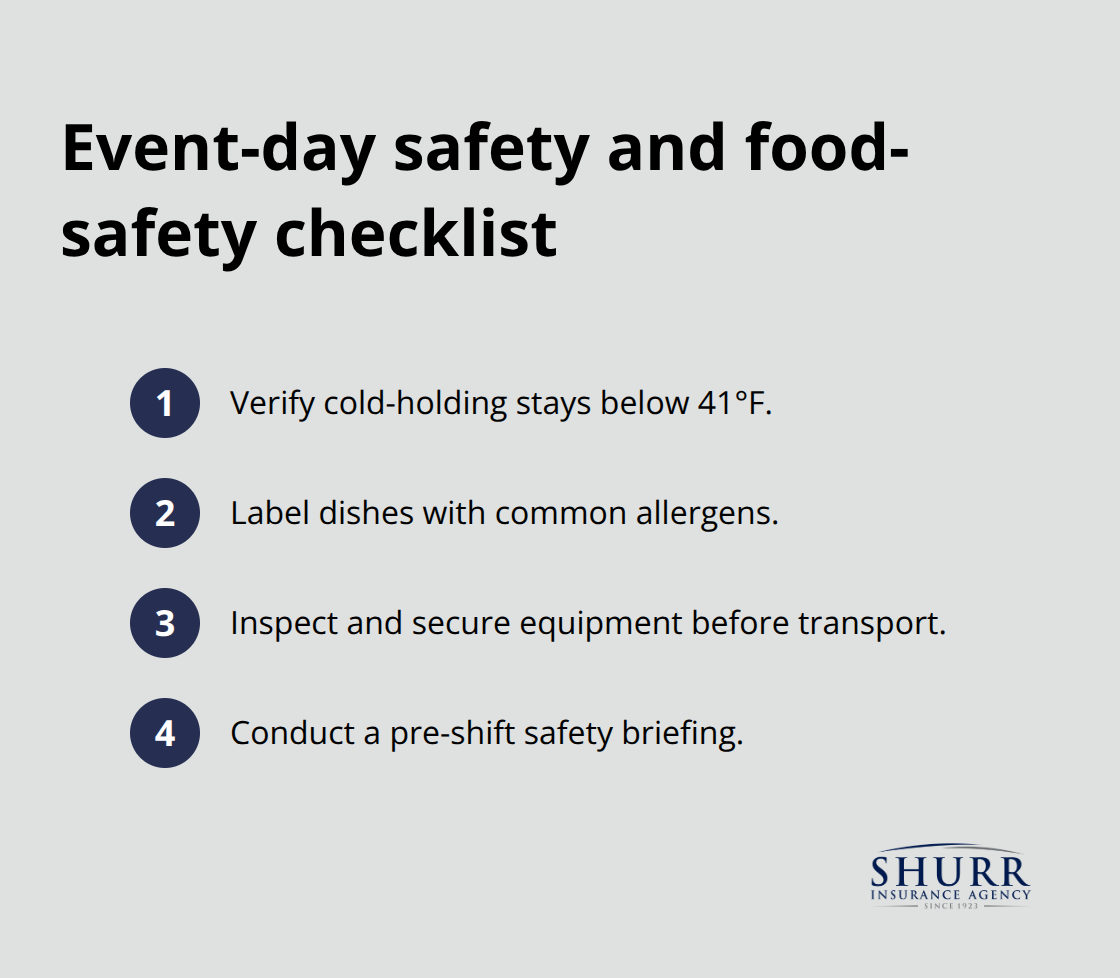
The most effective prevention strategy involves documenting everything and training staff on specific protocols rather than assuming experience prevents mistakes. Implement a checklist before every event that covers food temperature verification, ingredient labeling for common allergens, equipment inspection before transport, and staff safety briefings about slippery surfaces and proper lifting techniques.
Work with an independent agent to review your actual claims history and event data, since your specific risk profile depends on whether you cater primarily weddings, corporate events, or festival booths. Venues increasingly require certificates of insurance before allowing your team on-site, making it essential to carry appropriate limits that satisfy their requirements. Some caterers carry only minimum coverage limits to save money, but this false economy disappears the moment a serious claim arrives and your insurance runs out before legal costs finish accumulating. An independent agent will help you match coverage limits to your actual business volume and the types of events you handle, ensuring you maintain adequate protection without paying for unnecessary excess coverage that drains your annual budget.
Final Thoughts
The right catering insurance options protect your business from the specific risks that standard policies ignore. An independent agent who understands food service operations assesses your actual business model, event volume, and venue types to identify gaps that generic policies miss. They review your equipment inventory and vehicle fleet to match property and auto coverage to your actual assets, then bundle general liability, product liability, commercial auto, and workers compensation policies to save 10-15% compared to purchasing separately from different insurers.
Your catering business changes as you grow, which means your insurance needs change too. Adding staff, purchasing new equipment, or expanding into new event types all increase your liability exposure, so an annual review with your agent keeps your coverage limits aligned with your business growth. If you catered 50 events last year but plan to handle 100 this year, your product liability limits need adjustment to reflect the higher guest volumes and food-safety exposure.
We at Shurr Insurance work with catering businesses throughout Northwest Indiana to build protection that matches your actual operations. Our team understands the specific risks you face and the coverage gaps that leave you vulnerable, and we represent multiple insurance companies to give you access to catering insurance options that fit your budget and business model. Contact us today to discuss how proper insurance planning supports your long-term success.
Disclaimer: The information provided in this blog is for general informational purposes only and does not constitute legal, financial, or insurance advice. Coverage options, terms, and availability may vary. Please consult with a licensed professional for advice specific to your situation