Running a restaurant in Indiana means juggling dozens of operational challenges every single day. From kitchen fires to slip-and-fall lawsuits, the risks are real and they can devastate your business financially.
At Shurr Insurance, we work with foodservice operators to build Indiana restaurant coverage options that actually match what you face. This guide walks you through the protection you need.
What Property and Liability Coverage Does Your Indiana Restaurant Actually Need?
Your building, kitchen equipment, and inventory represent your largest financial assets. Property insurance protects these from fire, theft, vandalism, and weather damage. General liability coverage is equally non-negotiable because one slip-and-fall lawsuit or foodborne illness claim can cost $50,000 to $500,000 in legal fees and settlements alone. Indiana law requires workers’ compensation if you have even one employee, covering medical bills and partial wage replacement when staff suffer injuries. The typical costs break down clearly: general liability runs $500 to $2,000 annually, property insurance costs $1,000 to $5,000 per year, and workers’ compensation averages $2 to $6 per $100 of payroll. These aren’t theoretical numbers-they reflect what Indiana restaurants actually pay based on business size, employee count, and whether you own or lease your space.
Property Protection for Kitchen Operations
Fire and kitchen equipment failures drive most restaurant property claims. Grease fires, gas leaks, and electrical malfunctions force you to close for weeks while repairs happen. Standard property coverage reimburses building damage, kitchen equipment, furniture, and inventory losses.
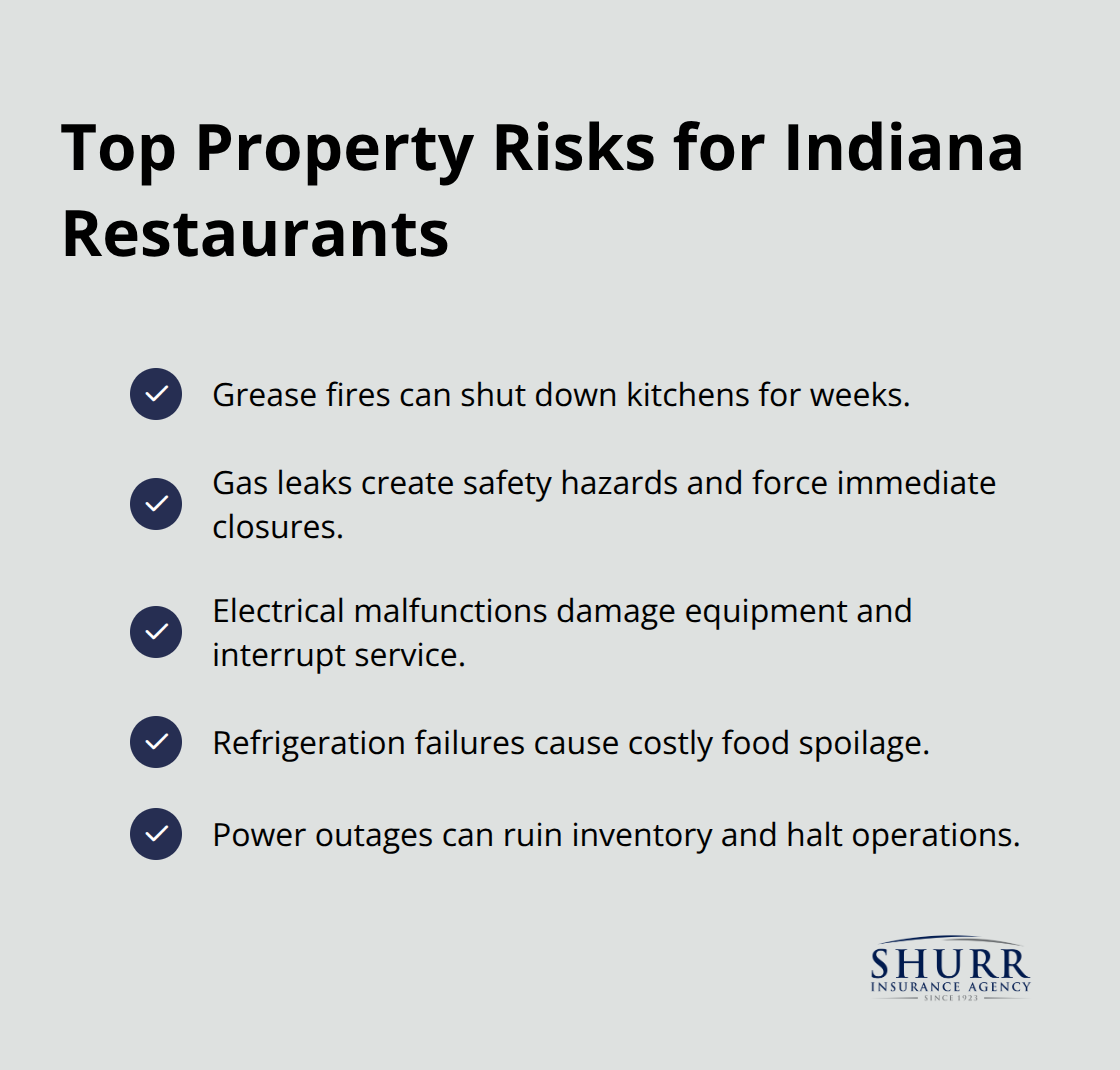
Spoilage coverage adds critical protection by reimbursing inventory lost to refrigeration failures or power outages-a real threat in Southeast Indiana weather. Your landlord or lender requires property insurance as a lease or loan condition, so this isn’t optional. List your equipment values and building improvements in detail to avoid being underinsured.
Liability Protection Beyond General Coverage
Foodborne illness claims and third-party injuries on your premises demand serious liability protection. General liability covers medical expenses, legal defense, and settlements when customers suffer food poisoning or slip on wet floors. If you serve alcohol (beer, wine, or spirits), liquor liability insurance can help cover the cost of medical expenses or property repairs from alcohol-related incidents. Indiana’s proximity to Kentucky adds complexity to liquor service liability exposure. Employment Practices Liability Insurance protects against wrongful termination, discrimination, and harassment claims from staff-a growing exposure in the restaurant sector that many operators overlook.
Workers’ Compensation as Mandatory Protection
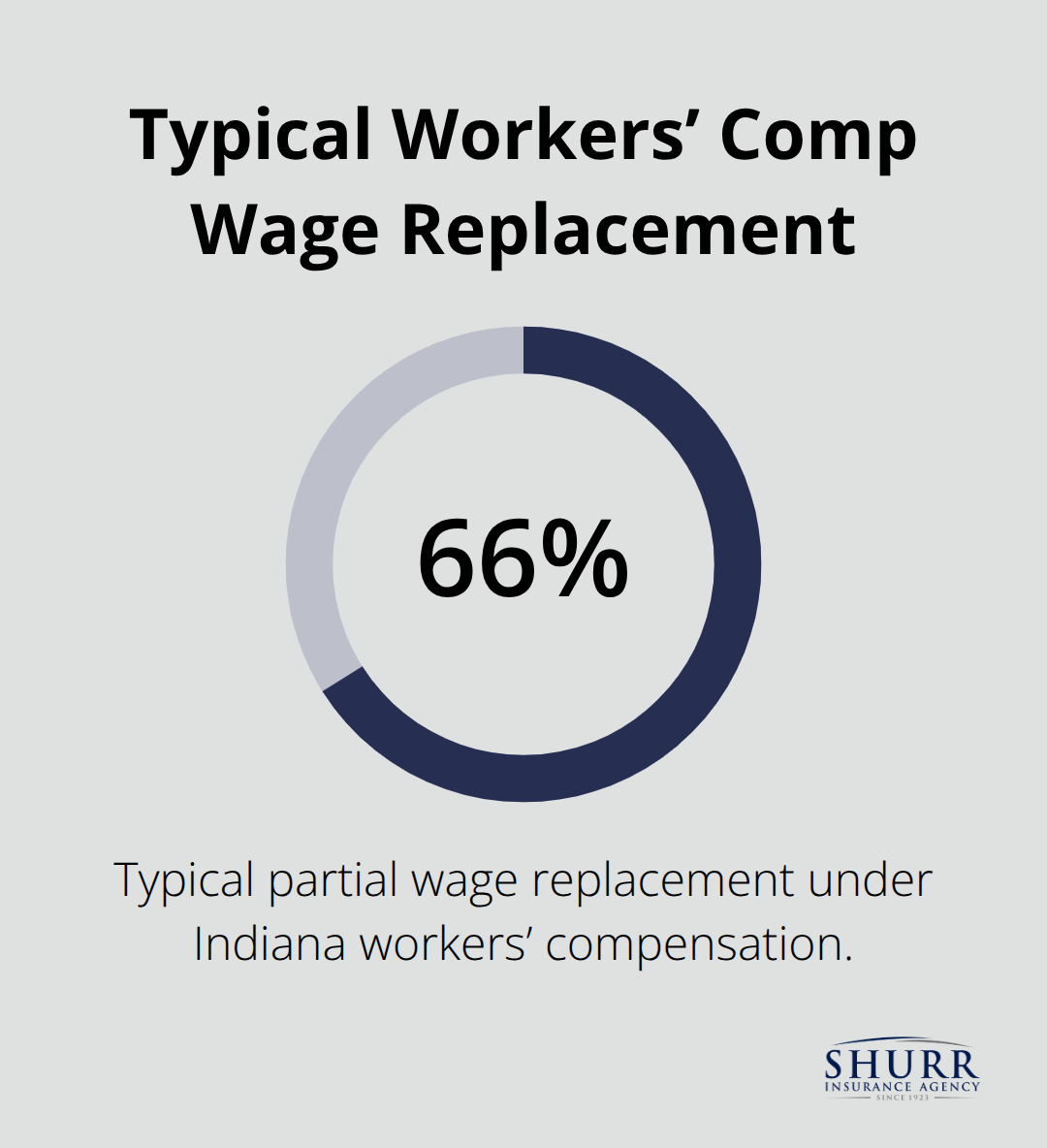
Indiana law requires workers’ compensation for any restaurant with employees. This coverage pays medical costs, rehabilitation expenses, and partial wage replacement (typically 66% of lost wages) when staff suffer job-related injuries.
Common restaurant injuries include burns, cuts, repetitive motion injuries, and slip-and-fall incidents. File claims within two years in Indiana, and document incidents immediately. Certain workers like railroad employees under FECA and specific independent contractors have exemptions, but standard employees are covered without exception. Your premium depends on payroll size and job classification-kitchen staff typically cost more than front-of-house positions due to higher injury risk. Maintain updated safety procedures and offer employee benefits to reduce your rates because insurers reward loss prevention and employee access to medical care.
Moving Forward with Specialized Coverage
These three foundational coverages form your baseline protection, but Indiana restaurants face additional exposures that demand specialized solutions. Kitchen operations, liquor service, and seasonal staffing fluctuations create risks that standard policies don’t fully address. The next section explores custom coverage options designed specifically for foodservice operators who want to close gaps and protect revenue during unexpected closures.
Beyond Basic Protection: What Specialized Coverage Your Indiana Restaurant Needs
Kitchen equipment breakdowns and liquor liability claims represent exposures that standard policies simply don’t cover adequately. Equipment breakdown coverage pays for repairs or replacement of essential refrigeration units, ovens, and HVAC systems after sudden mechanical or electrical failures-a practical safeguard since standard property insurance excludes these breakdowns. If a walk-in cooler fails during summer and spoils $10,000 worth of inventory, equipment breakdown coverage reimburses both the repair costs and the lost food.
Liquor Liability and Cross-Border Complexity
For restaurants serving alcohol, liquor liability insurance is non-negotiable because a single alcohol-related incident can trigger significant claims. This coverage specifically addresses claims arising from serving alcohol to intoxicated patrons or underage customers, a risk that general liability explicitly excludes. Indiana’s cross-border location near Kentucky adds complexity because liquor regulations differ between states, and serving customers who travel across state lines increases exposure.
Commercial Auto and Delivery Operations
If you operate delivery services or own company vehicles, commercial auto insurance becomes critical since personal auto policies exclude business use entirely and leave you personally liable for accidents. This coverage protects your business from liability claims and vehicle damage when staff or contractors use vehicles for restaurant operations.
Revenue Protection Through Business Interruption
Business interruption insurance directly protects your revenue stream by reimbursing lost income and ongoing expenses during forced closures from fire, flood, or equipment failure. A three-month kitchen fire closure could cost $50,000 to $150,000 in lost revenue depending on your annual sales, making this coverage essential for financial survival.
Building a Coordinated Coverage Program
An independent agent specializing in Indiana restaurants can structure these coverages into a coordinated program rather than leaving gaps between policies. Bundling equipment breakdown, spoilage coverage, liquor liability, and business interruption into a Business Owner’s Policy typically costs $3,000 to $10,000 annually but provides comprehensive protection that standard packages miss.
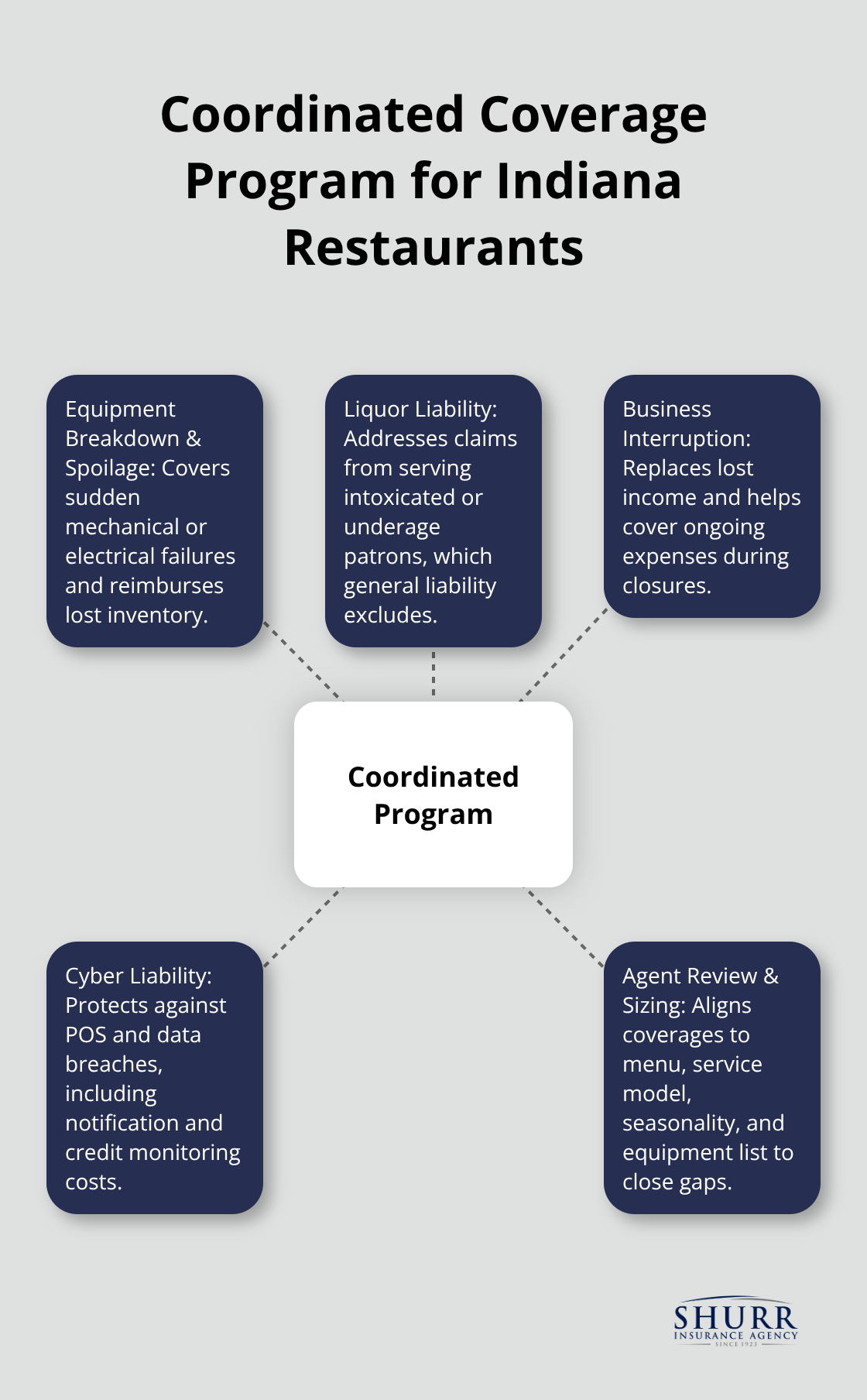
Your agent should review your specific menu, service model (dine-in versus delivery), seasonal demand patterns, and equipment list to properly size each coverage. Cyber liability insurance deserves attention even for smaller operations because POS systems, loyalty programs, and delivery platform integrations store customer payment data and create breach exposure. A data breach notification and credit monitoring can cost $5,000 to $25,000 depending on customer count affected.
The goal is alignment between your actual exposures and your coverage limits-oversizing coverage wastes money while undersizing creates gaps that cost far more when claims happen. Your agent should ask detailed questions about your operations and avoid quoting a template policy. Indiana restaurants also face specific risks tied to seasonal demand fluctuations and regional weather patterns that require customized protection strategies beyond what we’ve covered so far.
What Risks Cost Indiana Restaurants the Most Money
Kitchen Fires and Equipment Failures
Kitchen fires destroy more Indiana restaurants than any other single event, and the financial damage extends far beyond equipment replacement. The National Fire Protection Association reports that cooking equipment causes roughly 7,400 restaurant fires annually across the United States, with grease fires accounting for the majority of incidents. A single kitchen fire forces closure for two to six months while repairs and inspections are completed, costing $50,000 to $150,000 in lost revenue depending on your annual sales volume. Electrical malfunctions in aging HVAC systems and gas line failures compound this risk, particularly in older Indiana buildings where infrastructure hasn’t been updated in decades.
Natural Disasters and Weather Exposure
Natural disasters hit Southeast Indiana hard-flooding near the Ohio River destroys inventory and forces extended closures, while severe thunderstorms knock out power and spoil perishable goods worth thousands of dollars. Property insurance covers the physical damage, but business interruption coverage protects your revenue when you’re forced to stay closed. Without it, you pay rent, salaries, and utilities from your own pocket while generating zero income.
Slip-and-Fall Claims and Injury Costs
Slip-and-fall claims and employee injuries represent the second major cost driver for Indiana restaurants, with these incidents happening far more frequently than fires but often overlooked during coverage planning. The Bureau of Labor Statistics reports that foodservice workers experience non-fatal injury rates of 5.5 per 100 full-time employees annually-higher than manufacturing or construction-because restaurant floors stay wet, kitchens operate at high temperatures, and staff work at exhausting pace during rush periods.
Legal and Settlement Expenses
A single slip-and-fall lawsuit where a customer claims permanent back injury costs $75,000 to $250,000 in legal defense and settlement, while an employee burn injury might require six weeks of medical treatment and lost wages. Workers’ compensation handles employee claims automatically under Indiana law, but general liability doesn’t cover your staff-that’s what workers’ comp is for. The problem most operators face is underestimating how quickly injury costs accumulate. One severe burn, one serious cut requiring stitches, one back strain from lifting heavy boxes-these incidents pile up and push your experience modification rate higher, which directly increases your future premiums.
Loss Prevention and Rate Reduction
Investing in slip-resistant flooring, proper kitchen ventilation, and mandatory safety training measurably reduces injury frequency and lowers your insurance costs because carriers reward loss prevention with better rates.
Final Thoughts
Your Indiana restaurant faces real exposures that demand real protection. General liability, property coverage, and workers’ compensation form the foundation, but specialized coverages like liquor liability, equipment breakdown, and business interruption close the gaps that standard policies leave open. A single kitchen fire, foodborne illness claim, or extended equipment failure can cost $50,000 to $500,000 in direct losses and lost revenue.
An independent agent makes customization possible because they represent multiple insurance carriers and can compare quotes side-by-side rather than locking you into one company’s template policy. They ask detailed questions about your menu, service model, equipment list, and seasonal demand patterns to properly size each coverage. When premiums rise or your business changes, they can re-shop the market without restarting the entire process, and they act as claims advocates when something goes wrong.
We at Shurr Insurance understand the specific risks Indiana restaurants face because we work with foodservice operators every day. Contact Shurr Insurance to assess your current exposures and request a tailored quote for Indiana restaurant coverage options that match your operation. Bring your lease or mortgage documents, employee count, annual sales figures, and equipment list so we can structure a program that protects your building, equipment, revenue, and staff without leaving dangerous gaps.
Disclaimer: The information provided in this blog is for general informational purposes only and does not constitute legal, financial, or insurance advice. Coverage options, terms, and availability may vary. Please consult with a licensed professional for advice specific to your situation